
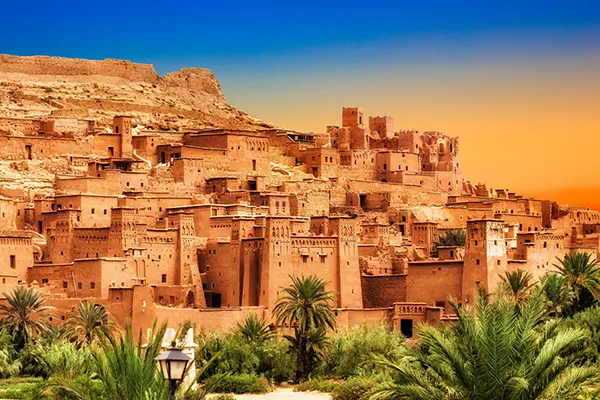
Marrakesh: How to Prepare for Your Trip and Avoid Common Tourist Mistakes
Marrakesh remains one of the most visited destinations in Morocco in 2026, attracting travellers with its historic medina, traditional riads, colourful souks and distinctive North African atmosphere. At the same time, the city can feel overwhelming for first-time visitors because of its fast pace, intense street trading culture and climate differences. Many tourists arrive unprepared for local customs, pricing systems or transport conditions, which often leads to unnecessary stress and avoidable expenses. Careful preparation before departure helps travellers feel more confident, safer and more comfortable throughout the journey.
Documents, Entry Rules and Financial Preparation Before Travelling
Before booking flights to Marrakesh, travellers should check the latest Moroccan entry requirements for 2026. Many European visitors can still enter Morocco visa-free for short stays, but passport validity rules remain strict. In most cases, passports should remain valid for at least six months from the date of entry. Travellers should also confirm whether accommodation details, return tickets or proof of funds may be requested during border control procedures. Keeping digital and printed copies of important documents separately from the originals can prevent serious problems if belongings are lost.
Currency preparation is another important part of planning. Morocco uses the Moroccan dirham (MAD), and although card payments are more common in hotels, modern restaurants and shopping centres, cash remains essential in markets, taxis and smaller cafés. Tourists often make the mistake of exchanging money directly at airports without comparing rates. Exchange offices in the city centre frequently provide better conditions. It is also useful to inform your bank about international transactions before departure to avoid temporary card blocks.
Travellers should pay close attention to travel insurance rather than treating it as an optional extra. Medical treatment in private clinics in Marrakesh can be expensive for foreign visitors. Insurance policies covering emergency medical care, theft, cancellations and transport disruptions provide additional security during the trip. Heat-related health issues are common during summer months, especially for travellers unaccustomed to North African temperatures, so insurance with comprehensive medical support is strongly recommended.
What Tourists Often Forget Before Flying to Marrakesh
One of the most common mistakes involves underestimating the local climate. Marrakesh experiences extremely high daytime temperatures between late spring and early autumn, often exceeding 40°C during heatwaves. Tourists sometimes arrive with unsuitable clothing, making long walks through the medina uncomfortable. Lightweight clothing covering shoulders and knees is more practical for both comfort and cultural respect.
Another frequent issue concerns mobile internet and communication. International roaming charges can still be expensive in 2026 depending on the traveller’s provider. Purchasing a Moroccan SIM card at the airport or in the city is usually more economical. Reliable internet access becomes especially useful when using navigation apps inside the old medina, where streets can become confusing even for experienced travellers.
Many visitors also fail to prepare for bargaining culture. Prices in traditional souks are rarely fixed, and negotiation remains part of daily commerce. Travellers unfamiliar with this system sometimes overpay significantly or feel uncomfortable during negotiations. Understanding that bargaining is expected rather than confrontational helps avoid tension and improves the overall shopping experience.
Accommodation, Transport and Safety in the City
Choosing the right accommodation area has a major impact on the quality of the trip. Many travellers prefer staying inside the medina because of its traditional atmosphere, proximity to landmarks and access to local markets. However, the medina can also be noisy, crowded and difficult to navigate with luggage. Travellers seeking quieter surroundings may prefer districts such as Gueliz or Hivernage, where roads are easier to access and modern facilities are more common.
Transport planning in Marrakesh requires patience and awareness. Official taxis are available throughout the city, but tourists often encounter drivers who refuse to use meters. Confirming the fare before entering the taxi helps prevent disputes later. Ride-hailing applications operate differently from many European cities, so travellers should verify current local transport options before arrival. Walking remains one of the best ways to experience the old city, though comfortable footwear is essential due to uneven streets and long distances.
Safety in Marrakesh has improved considerably in recent years, but travellers should still remain attentive in crowded areas. Pickpocketing can occur in busy tourist locations such as Jemaa el-Fnaa square or packed souks. Keeping valuables secure, avoiding visible cash handling and staying cautious with unsolicited offers from unofficial guides can reduce the risk of unpleasant situations. Solo travellers, particularly at night, may prefer using well-lit routes and organised transport when returning to accommodation.
How to Avoid Common Problems Inside the Medina
The medina of Marrakesh is famous for its maze-like layout, and many tourists become disoriented within minutes. Relying entirely on memory without offline maps often creates unnecessary stress. Downloading navigation tools before entering the old city can save considerable time, especially when mobile signals weaken in narrow streets.
Another common mistake involves following unofficial street guides. Some locals offer directions and later request payment aggressively. Politely declining assistance and using verified maps or hotel recommendations is usually the safest option. Reputable riads and hotels often provide accurate guidance for navigating local streets and arranging excursions.
Travellers should also remain cautious when photographing people, market stalls or performers. In certain areas, particularly around Jemaa el-Fnaa, individuals may expect payment for photographs. Asking permission beforehand helps avoid misunderstandings. Respectful behaviour towards local customs generally leads to more positive interactions throughout the stay.
Food, Local Customs and Cultural Expectations
Marrakesh offers a wide variety of traditional Moroccan dishes, including tagine, couscous, harira soup and grilled meats. Street food remains popular among visitors, but choosing busy stalls with high turnover is usually safer than purchasing food from empty vendors. Bottled water is recommended for most tourists, particularly during the first days of the trip when the body is still adapting to local conditions.
Understanding local etiquette can significantly improve the travel experience. Morocco remains culturally conservative in many situations, especially outside tourist-focused districts. Public behaviour, clothing choices and interactions should remain respectful. During religious periods such as Ramadan, tourists may notice changes in restaurant schedules, business hours and public behaviour patterns.
Travellers should also prepare for sensory intensity. Marrakesh is energetic, noisy and highly active from morning until late evening. The sounds of motorbikes, market traders and public squares form part of the city’s character. Visitors expecting a calm European-style city centre may initially feel overwhelmed. Allowing time for rest during the hottest hours of the day helps maintain energy and enjoyment throughout the trip.
Practical Cultural Advice for First-Time Visitors
Learning several basic French or Arabic phrases can make communication much easier. Although English is widely understood in tourist areas, many local residents continue to use French as their primary second language. Simple greetings and polite expressions are usually appreciated and can improve interactions in shops, cafés and taxis.
Tourists often underestimate the importance of respecting local dress expectations. While Marrakesh is accustomed to international visitors, revealing clothing may attract unwanted attention in traditional neighbourhoods. Loose and breathable clothing suitable for warm temperatures is generally the most practical choice for sightseeing.
Visitors should also approach organised excursions carefully. Desert tours, mountain trips and guided experiences vary greatly in quality. Reading recent reviews, checking transport conditions and confirming what is included in the price can prevent disappointment later. Reputable operators typically provide clearer itineraries, licensed guides and more transparent pricing structures.
Popular articles
-
 The history of the Kurhaus in Baden-Baden – the jewel of casinos...
A few centuries ago, gambling was closely associated with aristocratic …
-
 Île Seguin in Paris in 2026: How a Former Renault Factory Became a New...
Île Seguin is one of the most striking examples of …
-
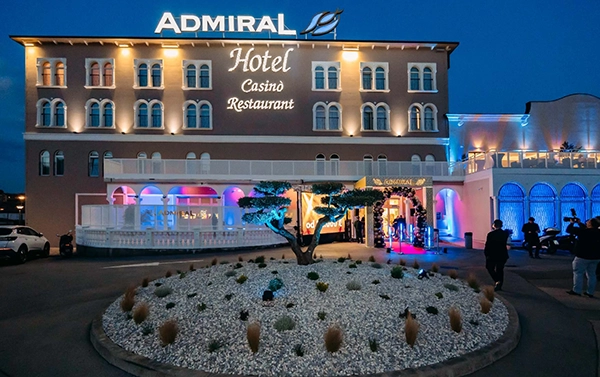 Casino Admiral Škofije After Its 2026 Renovation: What to See on the S...
Casino & Hotel Admiral Škofije reopened on 3 April 2026 …