
Historic European Casinos That Became Tourist Attractions in Their Own Right
Across Europe, several casinos have achieved a status that goes far beyond gambling. These venues attract visitors because of their architecture, history, cultural significance, and connections to famous personalities. Even travellers with no interest in gaming often include these locations in their itineraries. Their influence can also be seen in the modern casino industry, where many traditions established centuries ago continue to shape entertainment today.
Why Historic Casinos Continue to Attract Visitors
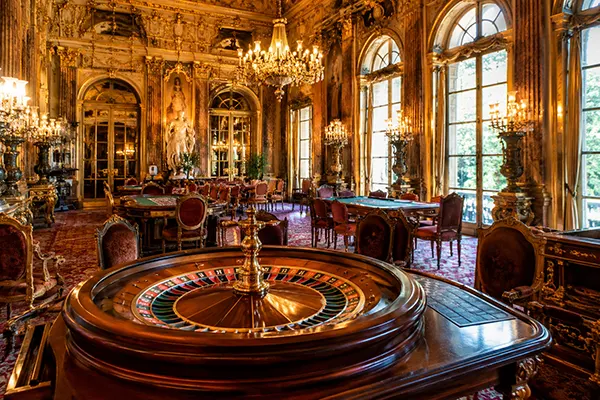
Many European casinos were built during the nineteenth century when cities competed to attract wealthy visitors. As a result, casino buildings were designed by leading architects and decorated with exceptional attention to detail. Grand halls, ornate façades, and luxurious interiors remain major attractions today.
Another reason for their popularity is their connection to European social history. Casinos often served as meeting places for aristocrats, artists, writers, and political figures. Their stories provide visitors with a glimpse into the lifestyle of earlier generations and help explain how leisure culture developed across the continent. The popularity of classic games that first gained recognition in famous European casinos continues today, both in traditional venues and in online gaming services including Nolimit Way casino, where players can find modern versions of roulette, blackjack, slots and live dealer games.
These venues also contribute to local tourism economies. Guided tours, cultural events, concerts, and exhibitions regularly take place within historic casino buildings, allowing them to remain relevant even as gambling habits evolve. Many visitors enter these properties not to gamble but to appreciate their architecture and historical atmosphere.
Famous Examples Across Europe
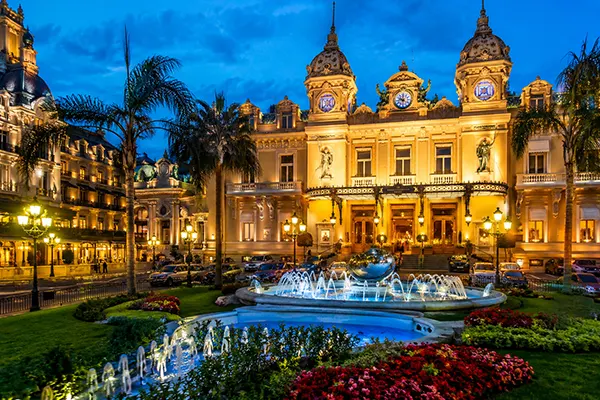
The Casino de Monte-Carlo in Monaco is perhaps the most recognised example. Opened in 1863, it became a symbol of luxury and played a major role in transforming Monaco into an international destination. Its Belle Époque architecture continues to attract hundreds of thousands of visitors every year.
Another notable venue is Casino Baden-Baden in Germany. Located near the Black Forest, it is known for its elegant interiors and long history dating back to the nineteenth century. The casino has welcomed royalty, artists, and influential public figures from across Europe.
In Belgium, Casino de Spa holds special historical significance. The town itself became famous for its mineral springs, while the casino developed into an important social centre. Its history reflects the rise of leisure travel and health tourism that shaped European society for generations.
Historic Casinos in the Modern Tourism Industry
Today, historic casinos compete not only with newer entertainment venues but also with digital alternatives. Despite these changes, many continue to attract visitors because they offer something that cannot be recreated online: a direct connection to centuries of history and tradition.
Tourism organisations increasingly promote historic casinos as cultural landmarks rather than purely gambling destinations. Visitors often combine a casino visit with museum tours, architectural walks, theatre performances, and local dining experiences, creating a broader travel experience.
The global growth of casino tourism has also increased interest in these locations. Travellers often seek destinations with authentic stories, and historic casinos provide a unique combination of architecture, culture, and entertainment that few other attractions can match.
Preserving Heritage for Future Generations
Maintaining historic casino buildings requires significant investment and careful planning. Restoration projects frequently focus on protecting original architectural details while ensuring that the buildings meet modern safety and accessibility standards.
Government institutions and heritage organisations often support these efforts because the buildings represent an important part of European cultural history. Their preservation benefits local communities, tourism businesses, and future generations interested in the continent’s heritage.
As international tourism continues to grow in 2026 and beyond, historic casinos are likely to remain valuable landmarks. Their combination of historical importance, architectural beauty, and cultural relevance ensures that they continue to attract visitors regardless of whether those visitors ever sit down at a gaming table.
Popular articles
-
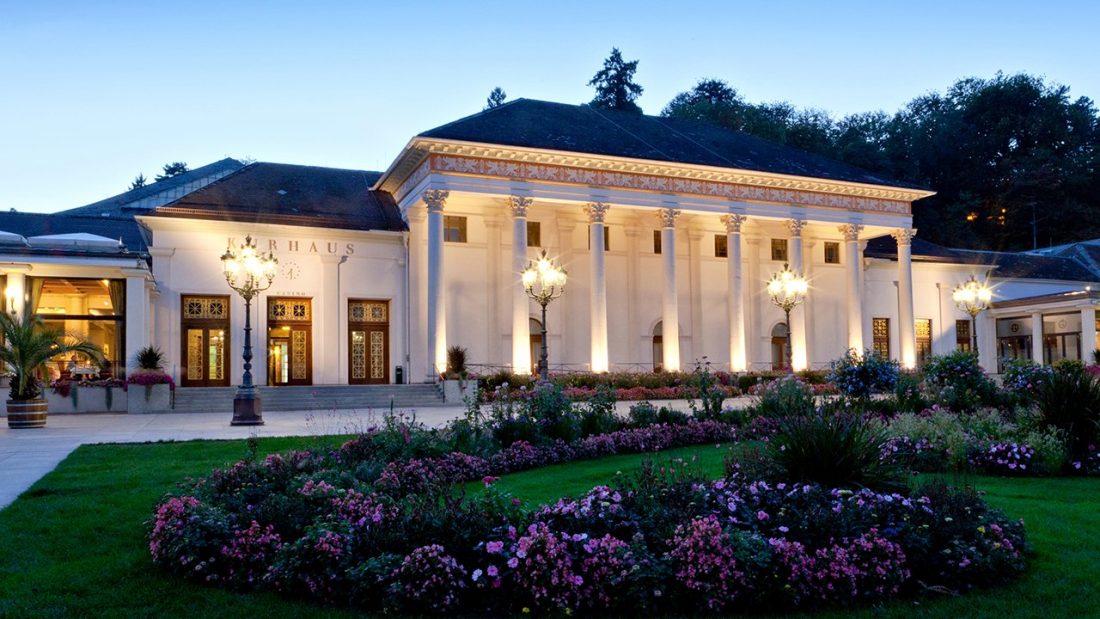 The history of the Kurhaus in Baden-Baden – the jewel of casinos...
A few centuries ago, gambling was closely associated with aristocratic …
-
 Île Seguin in Paris in 2026: How a Former Renault Factory Became a New...
Île Seguin is one of the most striking examples of …
-
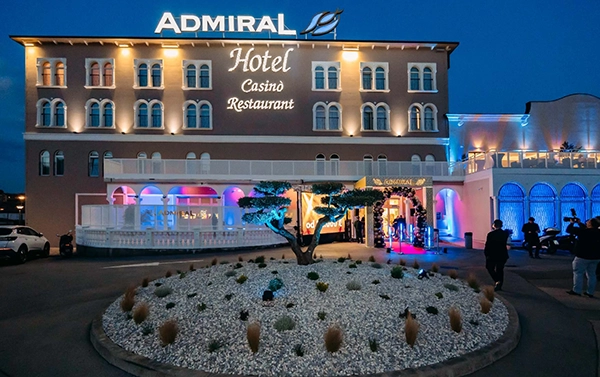 Casino Admiral Škofije After Its 2026 Renovation: What to See on the S...
Casino & Hotel Admiral Škofije reopened on 3 April 2026 …