

Salzburg (Austria): Old Town, Fortress and Scenic Panoramas — A Weekend Plan
Salzburg is one of the most compact historic cities in Central Europe, which makes it ideal for a short but rewarding weekend trip. Located near the northern edge of the Alps, the city combines baroque architecture, medieval fortifications and mountain scenery within a relatively small area. Travellers can walk between most major landmarks in the historic centre while enjoying views of church domes, narrow streets and the Salzach River. With a carefully planned itinerary, two days are enough to experience the old town atmosphere, visit Hohensalzburg Fortress and enjoy the viewpoints that surround the city.
Exploring Salzburg’s Old Town in One Day
Salzburg’s Altstadt, recognised as a UNESCO World Heritage Site since 1996, forms the cultural heart of the city. The historic centre developed between the Middle Ages and the Baroque period under the influence of powerful prince-archbishops. Walking through its narrow streets reveals elegant squares, ornate churches and colourful buildings that reflect centuries of architectural development. Most landmarks are located within a short walking distance, which allows visitors to see a great deal without relying on transport.
One of the most recognisable streets in Salzburg is Getreidegasse. This historic shopping street is known for its traditional wrought-iron guild signs hanging above the shop entrances. The buildings often conceal inner courtyards connected by passageways, a characteristic feature of the old town. At number 9 stands the birthplace of Wolfgang Amadeus Mozart, now a museum that documents the composer’s early life and family history.
Nearby lies Residenzplatz, one of Salzburg’s largest squares. The central fountain, built in the 17th century, is surrounded by impressive buildings including the Salzburg Cathedral and the former archbishop’s residence. The cathedral itself is an example of early Baroque architecture north of the Alps, completed in 1628. Its interior features marble decoration, frescoes and one of the baptismal fonts used for Mozart.
Hidden Corners and Historic Streets Worth Seeing
While the main squares attract most visitors, many smaller lanes provide a quieter glimpse into Salzburg’s past. Steingasse, located across the river from the main tourist routes, preserves the character of a medieval merchant street. Historically it served as a trade route leading toward the Alps, and today its narrow path and preserved facades reflect the atmosphere of earlier centuries.
Another interesting location is Kapitelplatz, where modern art contrasts with historic surroundings. The large golden sphere sculpture titled “Sphaera” stands prominently in the square and has become a popular photo point. From here visitors can also see the fortress walls rising above the rooftops, which emphasises the city’s layered historical landscape.
For a peaceful walk, the St. Peter’s district offers quiet courtyards and one of the oldest monastic complexes in the German-speaking world. St. Peter’s Abbey dates back to the 7th century and remains an active religious site. Its cemetery and the nearby catacombs carved into the rock provide insight into the early Christian history of Salzburg.
Hohensalzburg Fortress: Salzburg from Above
Hohensalzburg Fortress dominates the skyline of the city and ranks among the largest fully preserved medieval castles in Europe. Construction began in 1077 under Archbishop Gebhard during political conflicts within the Holy Roman Empire. Over the centuries the structure expanded with defensive walls, towers and residential buildings, creating the massive fortress visible today.
Visitors can reach the fortress either by walking up the steep Festungsberg hill or by using the funicular railway that connects the old town with the main entrance. Once inside, several museums explain the history of the archbishops who ruled Salzburg as a powerful ecclesiastical state. Exhibitions include medieval weapons, ceremonial rooms and models illustrating the fortress development.
One of the highlights of the fortress is the view across Salzburg and the surrounding Alps. From the defensive terraces visitors can see the entire old town layout, the Salzach River and distant mountain peaks. On clear days the contrast between the baroque cityscape and the alpine landscape becomes particularly striking.
Inside the Fortress: Museums and Historic Rooms
The fortress complex contains several exhibition spaces that provide context for Salzburg’s political and cultural past. The Fortress Museum presents artefacts related to daily life in the medieval castle, including armour, coins and historical documents. Displays explain how the archbishops maintained power and defended their territory.
The Prince’s Chambers are among the most impressive interiors within the fortress. Built during the late Gothic period, these rooms feature elaborate wooden ceilings and decorative wall elements that reflect the wealth of Salzburg’s rulers. Unlike many medieval castles, these chambers were designed for comfort as well as defence.
Another section of the complex houses the Rainer Regiment Museum, which focuses on military history during the Austro-Hungarian period. Uniforms, weapons and photographs illustrate the role of the Salzburg-based regiment during the nineteenth and early twentieth centuries.

Panoramic Views and Scenic Walks Around Salzburg
Salzburg offers numerous viewpoints that reveal the relationship between the historic centre and the surrounding mountains. One of the most accessible viewpoints is Mönchsberg, a rocky ridge rising directly behind the old town. Several walking paths cross the ridge and lead to terraces where visitors can look down onto the cathedral domes and fortress walls.
The Museum der Moderne Salzburg is located on Mönchsberg and combines contemporary art exhibitions with impressive panoramic terraces. From here the view stretches across the Salzach River and toward the Kapuzinerberg hill on the opposite side. The location also provides an excellent perspective for photography, particularly in the late afternoon when sunlight illuminates the old town.
Another popular viewpoint is Kapuzinerberg, a forested hill that rises east of the river. Although less visited than Mönchsberg, it offers quiet hiking trails and sweeping views of the city. The climb takes around thirty minutes from the riverbank and rewards visitors with a peaceful atmosphere above the busy streets.
A Practical Two-Day Weekend Itinerary
For a weekend visit, the first day can focus on the historic centre. Begin in the morning with a walk through Getreidegasse and Mozart’s birthplace before continuing to Salzburg Cathedral and Residenzplatz. After lunch in the old town, the afternoon is ideal for visiting Hohensalzburg Fortress and enjoying sunset views from its terraces.
The second day can begin with a walk along the Salzach River promenade, which offers scenic views of the old town skyline. From there visitors can climb Mönchsberg to explore its viewpoints and the Museum der Moderne. This route provides both cultural and panoramic highlights within a relaxed walking distance.
Later in the afternoon, a quieter walk on Kapuzinerberg completes the weekend with a final perspective of Salzburg’s landscape. From the forest paths above the city, travellers can look back toward the fortress and cathedral towers before returning to the riverbanks for the evening.
Popular articles
-
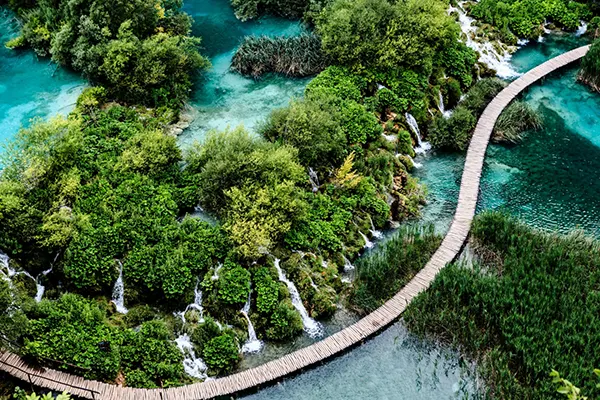 Plitvice Lakes, Croatia: When to Visit for the Best Experience
Plitvice Lakes National Park is one of Croatia’s most recognised …
-
Salzburg (Austria): Old Town, Fortress and Scenic Panoramas — A Weeken...
Salzburg is one of the most compact historic cities in …
-
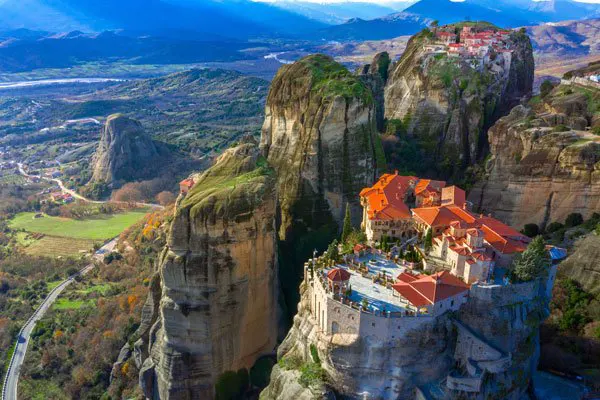 Meteora, Greece: Monasteries, Dress Code and a One-Day Route
Meteora is one of the most extraordinary cultural landscapes in …