
Meteora, Greece: Monasteries, Dress Code and a One-Day Route
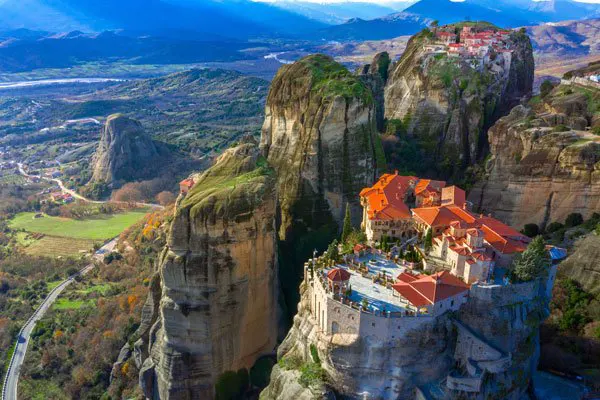
Meteora is one of the most extraordinary cultural landscapes in Europe: towering sandstone pillars rising above the Thessalian plain, crowned with Orthodox monasteries that have survived wars, occupation and the pressures of modern tourism. As of 2026, six monasteries remain active and open to visitors, each with its own schedule, dress rules and access specifics. If you have just one day in the area, careful planning is essential. Below is a practical, experience-based guide covering what you can realistically see in a day, what to wear, how to move between sites and what to expect inside the monasteries.
The Monasteries of Meteora in 2026: What Is Open and What to Expect
Today, six monasteries can be visited: Great Meteoron (Transfiguration of Christ), Varlaam, Roussanou (St Barbara), St Stephen, Holy Trinity and St Nicholas Anapafsas. All are active religious communities, not museum exhibits. Opening days vary: most close one day per week (for example, Great Meteoron traditionally closes on Tuesday, Varlaam on Friday, St Stephen on Monday), and seasonal timetables shift between summer and winter. Always verify hours shortly before arrival, as 2026 schedules continue to adjust to visitor flow and restoration works.
Entrance fees remain modest and standardised: €3 per person per monastery (cash only in most cases). Children under a certain age often enter free, but policies differ. There is no combined ticket; you pay at each site. Inside, you will find small museums displaying manuscripts, vestments and ecclesiastical artefacts, as well as frescoed katholika (main churches) dating from the 14th to 16th centuries. Photography inside churches is usually prohibited.
Expect physical effort. Although modern access has replaced the historic rope baskets and retractable ladders, steep staircases are unavoidable. Great Meteoron and Varlaam involve climbing dozens of steps carved into the rock. St Stephen is the easiest to access, with a small bridge and fewer stairs, making it more suitable for visitors with limited mobility.
Great Meteoron and Varlaam: The Core Historical Sites
Great Meteoron is the largest and oldest monastery, founded in the 14th century by St Athanasios the Meteorite. Its scale and museum collections make it the most comprehensive introduction to Meteora’s monastic tradition. The katholikon contains impressive post-Byzantine frescoes, and the courtyard offers wide views over the Pindus Mountains.
Varlaam, founded in the 16th century, is slightly smaller but equally atmospheric. Its church frescoes are among the finest examples of Cretan School iconography in mainland Greece. The ascent is long but manageable for most visitors in good physical condition.
If time is limited, visiting these two provides the strongest historical and artistic overview. Arrive early (before 9:30 a.m. in peak season) to avoid large tour groups arriving from Athens and Thessaloniki.
Dress Code and Behaviour: What You Must Know Before Entering
Meteora’s monasteries enforce a conservative dress code in 2026, and it is applied consistently. For women, skirts below the knee are required; trousers alone are not accepted in some monasteries. Sleeveless tops, low necklines and short skirts are not permitted. For men, long trousers are mandatory; shorts above the knee are refused entry. Sleeveless shirts are also inappropriate.
Most monasteries provide wrap skirts or shawls at the entrance if visitors arrive unprepared. However, relying on these is not ideal, especially in high season when supplies may be limited. Light, breathable clothing is recommended in summer, when temperatures in Thessaly frequently exceed 30°C.
Behaviour inside the monasteries should reflect that these are functioning religious communities. Keep voices low, switch phones to silent mode, and follow signage regarding photography. Drones are strictly regulated in the Meteora region due to its UNESCO World Heritage status and religious sensitivity; flying without proper authorisation can lead to fines.
Practical Tips for a Respectful and Comfortable Visit
Wear comfortable walking shoes with good grip. The stone steps can be uneven and slippery, especially after rain. Carry water, particularly from May to September, as shade is limited along the access paths.
Plan restroom breaks strategically. Facilities exist in larger monasteries, but not always at parking areas. Cafés in nearby Kalambaka and Kastraki provide more reliable options before or after visits.
If travelling with children, explain basic etiquette in advance. Running inside courtyards or churches is discouraged. Meteora is visually dramatic, but its primary identity remains spiritual rather than recreational.
A Realistic One-Day Route: Step-by-Step Plan
Start your day in Kalambaka or Kastraki. If you are driving, aim to reach the first monastery at opening time (usually 9:00 a.m. in summer). Begin with Great Meteoron for historical context. Allow 60–75 minutes including the climb, church visit and museum.
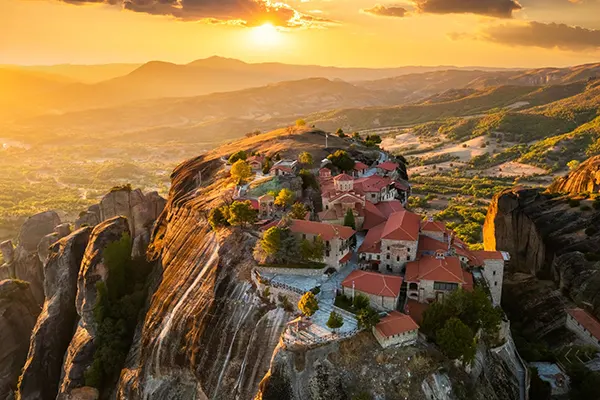
Next, drive or take a short taxi ride to Varlaam. Allocate around 45–60 minutes. By late morning, light conditions are excellent for panoramic viewpoints located between Varlaam and Roussanou. Several roadside parking spots offer classic postcard views over the rock pillars.
After a lunch break in Kastraki (local tavernas serve simple Thessalian dishes such as grilled meats, salads and pies), choose one additional monastery. St Stephen is convenient and less physically demanding. Alternatively, Holy Trinity offers dramatic isolation and impressive views, but requires a longer descent and ascent.
Transport Options and Timing Considerations
With a car, moving between monasteries is straightforward; the loop road connecting them is well maintained. Parking can be tight in summer, so patience is required. Without a car, local taxis operate from Kalambaka, and organised half-day tours run several times daily in peak season.
Public buses from Athens to Kalambaka (around 4–5 hours) and trains from Thessaloniki make Meteora feasible as an overnight trip rather than a rushed day excursion. Attempting Meteora as a single day trip from Athens is possible but exhausting and leaves limited time on site.
Sunset viewpoints along the main road are popular and free to access. Even if monasteries are closed in the late afternoon, the landscape remains accessible. Allow at least 30 minutes before sunset to secure a safe viewing position.
Popular articles
-
 Salzburg (Austria): Old Town, Fortress and Scenic Panoramas — A Weeken...
Salzburg is one of the most compact historic cities in …
-
Meteora, Greece: Monasteries, Dress Code and a One-Day Route
Meteora is one of the most extraordinary cultural landscapes in …
-
 Valley of the Kings (Luxor): Which Tombs to Choose and How Tickets Wor...
The Valley of the Kings is not a place you …