
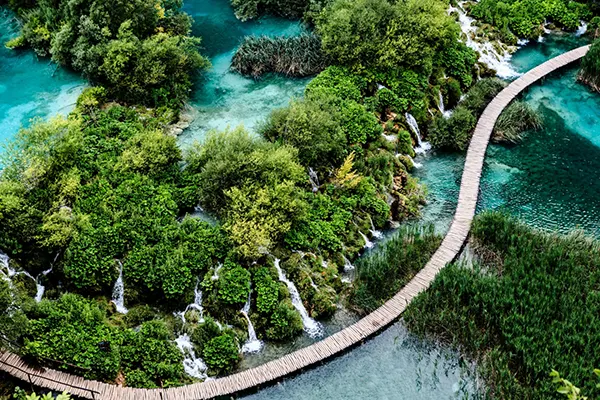
Plitvice Lakes, Croatia: When to Visit for the Best Experience
Plitvice Lakes National Park is one of Croatia’s most recognised natural landmarks, known for its system of terraced lakes, waterfalls, and forested landscapes. The timing of a visit plays a decisive role in how the park looks and feels, from water levels and colours to crowd density and accessibility. Choosing the right season is not simply about weather; it is about understanding how the park changes throughout the year and what kind of experience you expect from it.
Seasonal Differences: How the Park Changes Throughout the Year
Spring, typically from April to early June, is often considered one of the most balanced periods to visit Plitvice Lakes. Snowmelt and seasonal rainfall significantly increase water flow, making waterfalls more powerful and visually striking. Vegetation begins to recover, creating a vivid contrast between turquoise water and fresh greenery. At the same time, visitor numbers remain moderate compared to summer.
Summer brings stable weather, long daylight hours, and full access to all trails and transport routes within the park. However, this is also the busiest time, especially in July and August. High visitor numbers can lead to queues at entrances and narrow wooden pathways. While visibility is excellent and colours are vibrant, the experience may feel less calm compared to other seasons.
Autumn, from September to November, offers a different perspective. Forests surrounding the lakes shift into shades of yellow, orange, and red, creating a layered landscape. Water levels remain relatively strong after summer, and visitor numbers begin to decline. Cooler temperatures make walking more comfortable, particularly for longer routes across the park.
Winter Conditions and Limited Access
Winter transforms Plitvice Lakes into a quieter and more isolated environment. Snow-covered trails and partially frozen waterfalls create a unique visual atmosphere that differs completely from other seasons. The park remains open, but access is limited, and some sections may be closed depending on safety conditions.
During colder months, internal transport such as electric boats and panoramic trains may operate on reduced schedules or be suspended entirely. Visitors should be prepared for longer walking distances and check official updates before arrival. Proper footwear is essential, as wooden paths can become slippery due to ice.
Despite these limitations, winter offers a sense of solitude rarely found during peak periods. For travellers interested in photography or a quieter experience, this season can be particularly appealing, provided they are prepared for changing conditions.
Best Time for Fewer Crowds and Comfortable Exploration
Late spring and early autumn are widely regarded as the most practical periods for visiting Plitvice Lakes. These months combine manageable visitor numbers with favourable weather conditions. Paths are less congested, allowing for a more relaxed pace when moving between viewpoints and lakes.
Early mornings and late afternoons also play a significant role, regardless of the season. Arriving at opening time reduces the likelihood of encountering large groups, especially near the Lower Lakes, which tend to attract the highest concentration of visitors. Planning routes in advance helps avoid backtracking and crowded sections.
Ticketing policies have also changed in recent years, with timed entry systems introduced to manage visitor flow. Booking tickets online in advance is now recommended, particularly during peak periods. This approach not only guarantees entry but also helps distribute visitors more evenly throughout the day.
Daily Timing and Route Planning
The park offers several marked routes, typically labelled from A to K, varying in duration and complexity. Short routes focus on the Lower Lakes, while longer options include both Upper and Lower sections, combining walking with boat and train transfers. Choosing the right route depends on available time and physical readiness.
Starting with less popular sections, such as the Upper Lakes, can significantly improve the overall experience. Many visitors follow similar patterns, which leads to congestion in certain areas. Adjusting the sequence of exploration allows for quieter moments even during busy seasons.
Weather conditions should also be considered when planning daily routes. After rainfall, paths can become wet, and water levels may rise, slightly altering accessibility. On hot days, shaded forest areas provide more comfortable walking conditions than exposed sections near open water.
Weather, Water Levels and Visual Conditions
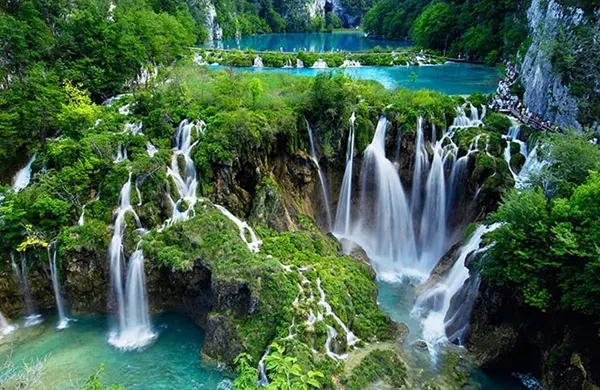
The appearance of Plitvice Lakes is closely linked to water levels and sunlight. In spring, increased water flow enhances the intensity of waterfalls, creating a more dynamic landscape. The colour of the lakes, influenced by minerals and light, often appears deeper and more saturated during this period.
Summer offers clearer skies and stable lighting, which improves visibility across the park. However, lower water levels compared to spring may slightly reduce the volume of certain waterfalls. Bright sunlight can also create strong contrasts, which may affect photography, especially during midday hours.
Autumn provides softer lighting conditions and a broader colour palette due to seasonal foliage. Misty mornings are not uncommon, adding depth to the scenery. While rainfall becomes more frequent, it also helps maintain water levels, ensuring waterfalls remain active throughout the season.
Choosing the Right Moment for Photography
Lighting conditions vary significantly throughout the day. Early morning and late afternoon offer softer light, reducing harsh shadows and reflections on the water. These periods are generally preferred for capturing natural colours and details without excessive contrast.
Seasonal changes also influence photographic opportunities. Spring highlights movement and volume, while autumn emphasises colour variation and texture. Winter, although more challenging, allows for compositions with snow and ice, which are rarely seen during other times of the year.
Equipment preparation is important due to humidity and water spray near waterfalls. Protective covers and stable footwear help maintain safety and equipment performance. Planning stops at key viewpoints in advance ensures efficient use of time, especially during shorter daylight periods.
Popular articles
-
Plitvice Lakes, Croatia: When to Visit for the Best Experience
Plitvice Lakes National Park is one of Croatia’s most recognised …
-
 Salzburg (Austria): Old Town, Fortress and Scenic Panoramas — A Weeken...
Salzburg is one of the most compact historic cities in …
-
 Meteora, Greece: Monasteries, Dress Code and a One-Day Route
Meteora is one of the most extraordinary cultural landscapes in …