
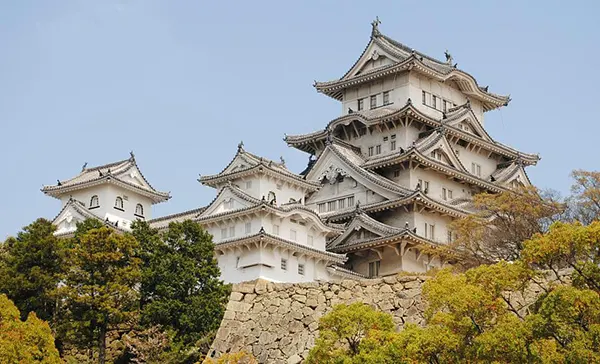
Himeji Castle (Japan): the country’s best-preserved samurai fortress
Himeji Castle, known as Himeji-jō, is the rare Japanese stronghold that still feels like a working fortress rather than a rebuilt monument. Its white plaster walls, layered roofs, and maze-like approach routes were designed for defence first, yet the overall silhouette is unexpectedly elegant. In practical terms, it’s also one of the easiest “serious” historic sites to visit from major cities in Kansai, with clear walking routes from Himeji Station and straightforward visitor rules. The notes below focus on what makes the castle historically distinctive and how to plan a visit with 2026 realities in mind.
Why Himeji stands out in Japanese castle history
Himeji is widely regarded as the finest surviving example of early 17th-century Japanese castle architecture, and it is made up of a large complex of historic structures rather than a single tower. It was inscribed as a UNESCO World Heritage Site in 1993, with the World Heritage listing emphasising the scale of the ensemble and the sophistication of its defensive systems. The property is also a National Treasure, which matters in Japan because it brings strict standards for conservation methods and repair materials.
The castle’s “best-preserved” reputation is not just a slogan: the complex retains the look and logic of a working fortification from the early Edo period. Sources commonly describe the whole site as comprising 83 buildings, connected through multiple baileys and controlled access points that force visitors (and, historically, attackers) into carefully managed movement. It’s this combination—large surviving ensemble, defensive logic still readable on foot, and authenticity of materials—that makes the site feel unusually intact.
Historically, the present castle complex is associated above all with Ikeda Terumasa, who oversaw the major construction phase that produced the showpiece we recognise today. Travel Japan notes that the complex was completed in 1609 and includes over 80 buildings linked by winding, labyrinth-like paths—an observation you can verify the moment you start walking the approach. The result is a site where political history, military engineering, and craftsmanship are legible without needing a guidebook in your hand.
Architecture and defensive design you can actually notice on a visit
Even before you enter the paid area, the layout tells a story. Open lawns in the outer bailey create a clear field of view, while gates and walls further in begin to narrow movement and limit sightlines. The approach routes are not “direct to the tower” in the way many modern visitors expect; they bend, switch back, and funnel you into controlled points where defenders historically had advantages.
The main keep is famous for looking like five storeys from the outside while containing more levels inside, and the interior experience reinforces that this was a timber structure built for strength and flexibility rather than comfort. Rooms, beams, and stair angles prioritise stability and defence over convenience; you’ll feel the slope and tight turns underfoot. This is why sensible footwear and careful pacing matter more here than at many museums.
One of Himeji’s most instructive features is how it combines beauty with deterrence. White plaster walls read as refined at a distance, but up close they are part of a defensive system: fire resistance, controlled sightlines, and protected movement between connected towers. If you take time to stop at gates and look back, you can see how defenders could monitor and isolate sections of the approach rather than relying on one final “last stand” point.
What a 2026 visit looks like in practice
Start with the fundamentals: the official castle site lists opening hours as 09:00–17:00 with last entry at 16:00, and scheduled closure on 29–30 December. Those dates matter if you are travelling across the holiday period, because many nearby attractions also reduce operations. The same official guidance includes the site’s address in Honmachi, Himeji, and contact details for the management office.
Visitor rules are not decorative—Himeji’s interiors are working heritage spaces with wooden floors and tight staircases. The official notes ask visitors to bring a shoe bag and to avoid wearing outdoor shoes inside the buildings; you’ll place footwear in a bag provided at the entrance, and thick socks or indoor shoes are recommended because timber floors can be slippery. The same notice also stresses that there are many steep slopes, stairs, and gaps, and that there are no lifts in the keep or turrets, which effectively sets expectations for anyone with mobility constraints.
Costs are the other key 2026 reality, because ticketing changes begin in March 2026. Visit Himeji’s official travel guide states that, from 1 March 2026, the fee becomes ¥1,000 for residents aged 18 and over and ¥2,500 for non-residents aged 18 and over, with group rates also changing. It also states that, from March 2026 onwards, admission will be free for all persons under 18, which is a meaningful difference for families planning a day trip.
Tickets, timing, and on-site etiquette that save hassle
If you want to keep a visit calm rather than rushed, treat the castle like a short hike with a historic interior at the end. The grounds involve walking distances, inclines, and queues that can stretch in peak seasons, so it helps to arrive with time in hand rather than aiming for last entry. Once inside the keep, flow is naturally slow due to narrow staircases, so patience is part of the experience.
Photographs are generally fine, but safety and preservation come first. The official guidance highlights slippery wooden floors and the risk of damaging cultural property with unsuitable footwear—this is why shoes and heels are a recurring point in the rules. Carrying a small bag for your shoes and keeping hands free on stairs makes the climb safer, especially when the castle is busy.
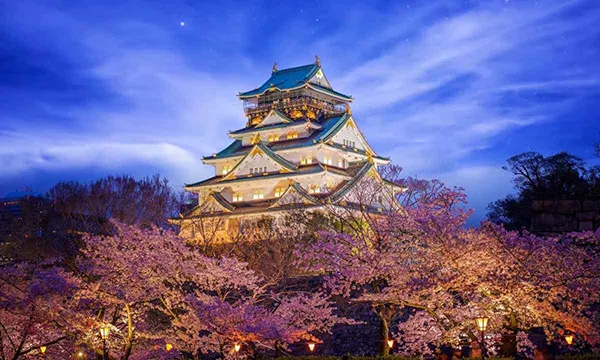
Another practical point: drones are strictly prohibited over Himeji Castle and its surrounding area, and the official site notes penalties, including fines up to ¥100,000. Even if you have used drones elsewhere in Japan, treat this site as a hard no-go zone. For a better alternative, plan for dusk views from outside the grounds—Himeji Castle is illuminated in the evenings, and the white plaster stands out strongly after sunset.
Preservation, repairs, and how to visit responsibly
Himeji’s survival is not just luck; it is the result of repeated conservation campaigns that aim to keep original material where possible and replace only what cannot be saved. UNESCO-oriented protection frameworks push the site toward conservative, evidence-based repair methods rather than cosmetic “refreshes.” This is why some areas may occasionally be restricted and why signage sometimes prioritises protection over perfect visitor flow.
The World Heritage description emphasises the castle’s highly developed systems of defence and “ingenious protection devices,” and those same features present conservation challenges today. Timber structures respond to humidity and temperature, and heavy visitor traffic accelerates wear on stairs and floors. In practice, preservation is a balance between access and protection: enough people must be able to see the site for it to remain socially valued, but too much pressure can damage exactly what makes it authentic.
As a visitor, the most meaningful “responsible” behaviour is simple: follow footwear rules, stay within roped routes, and accept that narrow staircases require careful movement. The experience is better when you treat the keep as a historic structure first, not an attraction engineered for speed. If you want deeper context, reading the castle’s history and construction notes beforehand helps you recognise why certain spaces feel constrained or oddly arranged—those choices were deliberate and, in many cases, defensive.
Planning a fuller day around the castle without padding your schedule
Himeji works well as a focused half-day or full-day visit depending on your pace and season. The approach lawns and outer areas can be enjoyed without entering the paid zone, which is useful if crowds inside the keep are intense. If you do plan to enter, allow extra time for queues and for slow movement on internal staircases.
Ticket options can also shape your day. The official fee table for March 2026 includes a combined admission ticket for Himeji Castle and Kōko-en Garden, which is an efficient way to pair fortress architecture with a calmer, landscaped setting nearby. If you prefer a quieter rhythm, castle first (while energy is high), garden after (when you want slower walking and less vertical effort) tends to work well.
Finally, plan your return route with the station walk in mind. Official access notes describe easy connections from JR and private rail lines, and buses can shorten the final stretch if weather or fatigue becomes a factor. If you leave near closing, remember that last entry is earlier than closing time, so late-afternoon arrivals can feel rushed—better to arrive earlier and finish the day at a relaxed pace outside the walls with evening views.
Popular articles
-
 Paris Catacombs After the 2026 Renovation: New Route, Tickets and What...
The Paris Catacombs reopened on 8 April 2026 after five …
-
 Granada Without Haste: The Alhambra, Albaicín and Andalusian Life
Granada rewards travellers who resist the urge to treat it …
-
 Sintra, Portugal: Palaces, Gardens and a One-Day Itinerary
Located less than an hour from Lisbon, Sintra is one …